¿MediaTek o Snapdragon? Si eliges mal, tus escáneres Android o computadoras móviles se ralentizarán, perderán la conexión Wi-Fi o envejecerán rápidamente.
En Tera, vemos esto a menudo: la misma carga de trabajo, diferentes chipsets, resultados muy diferentes en velocidad, estabilidad y vida útil del dispositivo.
Esta guía analiza los fundamentos, la arquitectura y el rendimiento real de MediaTek vs. Snapdragon . A continuación, analiza el 5G, el Wi-Fi, la batería y la temperatura , la compatibilidad de software y la fiabilidad a largo plazo , y finalmente , el comportamiento de cada plataforma en los escáneres de códigos de barras y ordenadores móviles Android empresariales . Después de leerla, sabrá qué chipset se adapta a sus teléfonos económicos y cuál es más seguro para dispositivos de almacén, comercio minorista y logística que deben funcionar todo el día.
MediaTek vs. Snapdragon: Tabla comparativa rápida (Resumen de 2025)
Si buscas la respuesta rápida, Snapdragon suele ser más potente para un rendimiento de gama alta y soporte de software a largo plazo , mientras que MediaTek suele ofrecer una mejor relación calidad-precio en muchos teléfonos y dispositivos de gama media . Ambos pueden ser una buena opción. Elegir el modelo adecuado para ti depende de tu presupuesto, tus necesidades de rendimiento y la duración de tu plan de uso del dispositivo.
Utilice esta tabla para escanear las principales diferencias.
Característica |
MediaTek (2025) |
Snapdragon (2025) |
Impacto para ti |
|---|---|---|---|
Enfoque en el mercado |
Teléfonos económicos y de gama media |
Teléfonos de gama media y buques insignia |
Dispositivos de nivel de entrada y de valor vs. dispositivos premium |
Rendimiento de la CPU |
Potente potencia multinúcleo |
Potente potencia de uno o varios núcleos |
Velocidad general en aplicaciones y tareas del sistema |
5G y módem |
5G estable para uso diario |
Funciones 5G avanzadas, soporte más amplio |
Calidad de la señal, velocidad y redes futuras |
Comportamiento de Wi-Fi |
Bueno en redes normales |
A menudo más estable en redes concurridas |
Grandes oficinas, almacenes, zonas concurridas |
Eficiencia energética |
Mejorado en los nuevos chips Dimensity |
A menudo más consistente en todos los rangos |
Duración de la batería en condiciones de uso reales |
Control de calor |
Puede funcionar a mayor temperatura bajo carga pesada en algunos chips |
Generalmente mejor control térmico sostenido |
Comodidad en juegos largos o cargas de trabajo pesadas |
Actualizaciones de software |
Depende mucho de cada marca de teléfono. |
A menudo, un soporte más prolongado y consistente |
¿Cuántos años de actualizaciones de seguridad y Android? |
Desarrollador y soporte de ROM |
Comunidad de ROM personalizadas más pequeña |
Comunidad de desarrolladores y ROM personalizada más grande |
Ajustes, firmware personalizado, casos de uso especiales |
Nivel de precios |
Generalmente, el costo del chip es más bajo |
Generalmente el costo del chip es más alto |
Precio inicial del dispositivo, relación calidad-precio |
En resumen, Snapdragon suele ser mejor en rendimiento y compatibilidad a largo plazo , mientras que MediaTek suele ser mejor en precio y uso diario . Pero si quieres elegir con confianza, aún necesitas ver cómo difieren realmente en CPU, gráficos, 5G, duración de la batería y fiabilidad a largo plazo en el uso real.
Fundamentos de MediaTek vs. Snapdragon: Qué ofrece cada chipset en 2025
En 2025, MediaTek impulsará principalmente dispositivos Android de gama media y económica . Se centra en un buen rendimiento a un precio más bajo , principalmente con su serie Dimensity . Estos chips ofrecen una sólida potencia de CPU multinúcleo, 5G moderno y una mayor eficiencia energética que los diseños anteriores de MediaTek. Muchas marcas eligen MediaTek cuando buscan un dispositivo que se sienta rápido para aplicaciones cotidianas y algunos juegos, pero que se mantenga en un rango de precio más bajo.
Snapdragon, de Qualcomm, es más común en dispositivos de gama media y gama alta, donde el rendimiento, los gráficos y el soporte a largo plazo son más importantes. Una plataforma Snapdragon típica utiliza una CPU Kryo, una GPU Adreno y un módem 5G de la serie X , que en conjunto ofrecen una alta velocidad de un solo núcleo y conexiones de red estables . Los dispositivos con Snapdragon suelen ser más caros, pero suelen ofrecer un rendimiento más consistente a lo largo del tiempo y una mejor compatibilidad con las actualizaciones de software . En resumen, MediaTek prioriza la relación calidad-precio , mientras que Snapdragon se inclina por un rendimiento y una vida útil premium .
Entonces, ¿qué hace que un chipset parezca más rápido o más estable que otro? La respuesta suele estar en la forma en que cada uno está integrado.

Arquitectura MediaTek vs Snapdragon: CPU, GPU, IA y tecnología de proceso
MediaTek y Snapdragon utilizan componentes similares, pero la forma en que organizan la CPU, la GPU y el motor de IA es diferente. Estas decisiones afectan la velocidad del dispositivo, su rendimiento durante largas horas y su estabilidad en situaciones de trabajo reales.
Arquitectura de CPU
Tanto MediaTek como Snapdragon ahora utilizan núcleos de CPU ARM Cortex estándar. Los nuevos chips Snapdragon, como el Snapdragon 8 Gen 3 y la serie Snapdragon X, ya no utilizan los antiguos núcleos Kryo semipersonalizados.
Dado que ambas marcas utilizan núcleos similares, las verdaderas diferencias residen en el ajuste. MediaTek se centra en una buena eficiencia multinúcleo y el ahorro de energía, lo que funciona bien para aplicaciones cotidianas y muchos dispositivos de gama media. Snapdragon busca una mayor velocidad de un solo núcleo y un mejor rendimiento durante largas jornadas, como el escaneo continuo o los largos turnos en el almacén.
GPU y rendimiento visual
La mayoría de los chips MediaTek se integran con la tarjeta gráfica Mali , que gestiona sin problemas las imágenes diarias, los paneles, las vistas previas de la cámara y las aplicaciones 3D ligeras. Para muchos trabajadores que utilizan aplicaciones de inventario, formularios o herramientas internas , Mali resulta más que suficiente.
Snapdragon utiliza gráficos Adreno , conocidos por sus animaciones más fluidas y un mejor manejo de escenas complejas . Esto es importante no solo para juegos, sino también para transmisiones en vivo de cámaras, guías de selección basadas en realidad aumentada (RA), herramientas de mapeo y cargas de trabajo de interfaz de usuario intensas utilizadas en dispositivos Android empresariales. En estos casos, Adreno ofrece mayor estabilidad bajo presión.
motor de IA
MediaTek utiliza una APU (Unidad de Procesamiento de IA) para gestionar tareas como la mejora de fotos, el desbloqueo facial y la IA integrada en el dispositivo. Para la mayoría de las aplicaciones cotidianas y profesionales, esto proporciona acciones de IA rápidas y fluidas .
Snapdragon utiliza una NPU (Unidad de Procesamiento Neuronal) diseñada para un uso intensivo de IA. Su rendimiento es excelente en el procesamiento de cámara, la entrada de voz, el reconocimiento óptico de caracteres (OCR) y las tareas de datos en tiempo real , comunes en ordenadores portátiles y flujos de trabajo de escaneo de códigos de barras. Cuando se ejecutan muchas funciones de IA simultáneamente, el motor de Snapdragon suele parecer un paso adelante en dispositivos de alta gama.
Tecnología de procesos
Ambas marcas dependen en gran medida de los nodos avanzados de TSMC para sus nuevos chips. En el nivel premium, la brecha de fabricación es pequeña. Esto significa que el control térmico, la eficiencia de la batería y la estabilidad a largo plazo dependen más del diseño de cada empresa que del propio proceso de fabricación. Para las empresas que utilizan dispositivos durante largos turnos, la calidad del diseño es más importante que la cifra en la hoja de especificaciones.
Estas decisiones arquitectónicas establecen las reglas básicas. Definen las experiencias reales en cuanto a velocidad, duración de la batería, estabilidad de la cámara y cargas de trabajo prolongadas , las mismas que experimentan los usuarios habituales y los equipos empresariales al usar teléfonos Android o computadoras móviles en el campo.
¿Cómo se perciben estas diferencias de diseño al abrir aplicaciones, jugar o usar el dispositivo al máximo? Ahí es donde el rendimiento empieza a diferenciarlos.
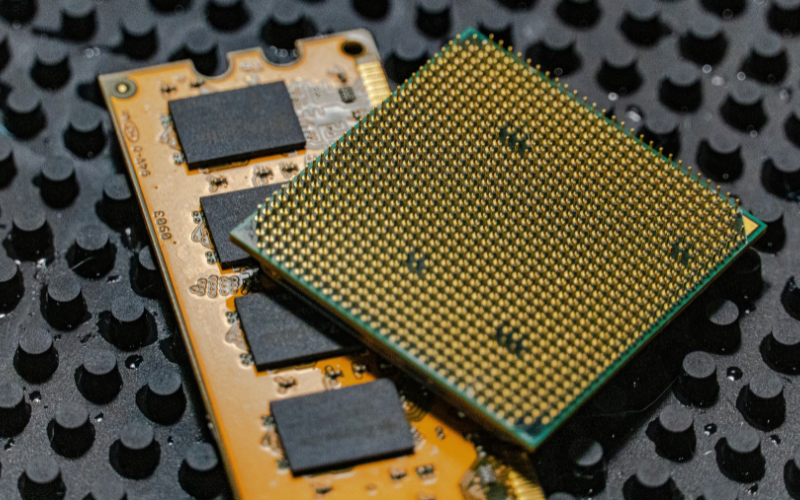
Comparación de rendimiento entre MediaTek y Snapdragon: gama baja, gama media y gama alta
Los chipsets se comportan de forma diferente en cada nivel de precio. Los chips económicos, de gama media y de gama alta están diseñados para diferentes velocidades, gráficos y uso prolongado. Estas diferencias se perciben no solo en los teléfonos, sino también en muchos dispositivos Android de trabajo y ordenadores portátiles.
Segmento de presupuesto
En el segmento de bajo presupuesto, MediaTek es más común que Snapdragon . Muchos teléfonos básicos y dispositivos portátiles sencillos usan chips MediaTek porque ofrecen un buen rendimiento a un precio más bajo . Para ti, esto suele significar una fluidez en aplicaciones básicas, llamadas, mensajería, navegación ligera y flujos de trabajo empresariales sencillos . También pueden escanear códigos de barras o introducir formularios básicos sin mayor dificultad.
Snapdragon también ofrece chips económicos, pero suelen ser menos visibles que sus líneas de gama media y gama alta. En este nivel, ninguna de las dos marcas está diseñada para aplicaciones 3D pesadas ni para cargas de trabajo largas e intensivas . Si tu caso de uso se centra principalmente en tareas sencillas y te preocupa mucho el precio, los chips económicos de MediaTek suelen ser más adecuados .
Segmento de gama media
La gama media es donde MediaTek y Snapdragon compiten más estrechamente . Los chips modernos de gama media de ambas marcas pueden resultar muy rápidos para el uso diario. Las aplicaciones se abren rápidamente, la interfaz de usuario es fluida y el rendimiento de la cámara es sólido. Los chips de gama media de MediaTek suelen ofrecer un buen rendimiento para su precio , por lo que muchos dispositivos económicos los utilizan.
Por otro lado, los chips Snapdragon de gama media suelen ofrecer un rendimiento más estable durante sesiones más largas , especialmente cuando el dispositivo se calienta. Esto es importante si ejecutas varias aplicaciones de negocios a la vez, usas mucho la cámara o mantienes un ordenador portátil activo durante una jornada completa . En este nivel, ambas marcas son buenas , pero MediaTek se inclina por una mejor relación calidad-precio , mientras que Snapdragon se inclina por una velocidad más consistente bajo carga .
Segmento insignia
En el segmento de buques insignia, Snapdragon suele liderar la carrera . Sus chips de gama alta ofrecen un rendimiento excepcional de CPU y GPU, un procesamiento de cámara avanzado y funciones 5G de alta gama . Están diseñados para soportar juegos intensos, aplicaciones complejas y largos periodos de alta carga con un mejor control térmico. Si buscas el mejor rendimiento de Android en 2025, la mayoría de las veces lo encontrarás en los buques insignia basados en Snapdragon.
Los chips Dimensity, el buque insignia de MediaTek, han mejorado considerablemente y pueden igualar o acercarse a Snapdragon en muchas pruebas de rendimiento. Sin embargo, con un uso intensivo y constante, especialmente con la cámara, la IA o tareas con uso intensivo de gráficos, Snapdragon aún presenta una pequeña pero importante ventaja . Para la mayoría de los dispositivos Android empresariales, los chips insignia no siempre son necesarios, pero en casos de uso de alta gama, como flujos de trabajo guiados por RA, mapeo enriquecido o tareas de visión avanzada , este margen adicional puede marcar la diferencia.
Pero ¿cómo se comportan estos chips cuando la red se satura, la señal se cae o el dispositivo se desplaza por diferentes zonas? La conectividad es donde empiezan a notarse las diferencias.
Conectividad MediaTek vs Snapdragon: Módem 5G, Wi-Fi y estabilidad en el mundo real
Los chipsets hacen más que ejecutar aplicaciones. También controlan la intensidad de la señal, la velocidad de transferencia de datos y la estabilidad del dispositivo cuando la red se satura o al desplazarse entre diferentes zonas. Esto es algo que se nota en casa, al aire libre y, especialmente, en lugares de trabajo como tiendas, almacenes y rutas de reparto.
Tecnología de módem 5G
Tanto MediaTek como Snapdragon son compatibles con el rápido 5G, pero no lo gestionan de la misma manera . Los chips más nuevos de MediaTek ofrecen un rendimiento 5G sólido por debajo de los 6 GHz , ideal para la navegación diaria, las videollamadas y el uso general de aplicaciones. Muchos usuarios no experimentan problemas importantes en condiciones normales de señal.
Snapdragon suele ir un poco más allá. Sus módems de la serie X suelen ofrecer un rendimiento más estable en zonas con señal débil o congestionada , además de una mayor compatibilidad con la agregación de portadoras. Esto suele traducirse en velocidades más altas y menos caídas cuando la señal no es perfecta. Snapdragon también admite funciones avanzadas como mmWave en ciertos modelos, algo en lo que la mayoría de los chips MediaTek no se centran.
Para las tareas cotidianas, ambas marcas ofrecen una experiencia fluida. Sin embargo, en situaciones laborales reales, como grandes almacenes, centros de distribución, tiendas minoristas concurridas o rutas de campo al aire libre , Snapdragon suele ofrecer una mayor consistencia al cambiar la señal o al alternar entre 5G y Wi-Fi . MediaTek ofrece un buen rendimiento en entornos sencillos, pero puede presentar mayores variaciones en zonas de cobertura difíciles.
Estabilidad y roaming de Wi-Fi
El Wi-Fi no se trata solo de conectar; se trata de mantenerte conectado cuando las redes están saturadas o cuando te desplazas . Los chips MediaTek funcionan bien en redes domésticas o de pequeñas oficinas, con un rendimiento estable para tareas típicas como navegar, usar aplicaciones y ver videos.
Snapdragon suele mostrar una ventaja en la itinerancia Wi-Fi , que se refiere a la rapidez con la que un dispositivo se mueve entre puntos de acceso (AP) sin interrupciones ni ralentizaciones. Esto es fundamental en entornos con una gran cantidad de AP , como pasillos largos en almacenes, grandes superficies comerciales, hospitales o centros logísticos. Los dispositivos con Snapdragon suelen cambiar entre AP más rápido y con menos interrupciones , lo que facilita el desplazamiento de un trabajador, escaneando, revisando inventario o moviendo equipos por diferentes zonas.
MediaTek también puede gestionar el roaming, pero en redes más grandes o complejas, puede experimentar pequeñas caídas de velocidad o breves retrasos durante la transferencia . Estos no son problemas importantes para el uso básico, pero pueden notarse durante turnos largos, escaneo continuo o flujos de trabajo de alta velocidad .
En general, ambas marcas gestionan bien la conectividad diaria , pero Snapdragon tiende a sentirse más estable bajo presión , especialmente cuando la red está ocupada, la señal es irregular o el dispositivo está constantemente en movimiento.
Una buena conectividad es sólo una parte de la historia; la cantidad de energía que utiliza un chipset y la temperatura a la que se calienta durante un día completo pueden ser igualmente importantes.
Eficiencia MediaTek vs Snapdragon: Duración de la batería y rendimiento térmico
La duración de la batería y el control de la temperatura son tan importantes como la velocidad. Determinan cuánto tiempo puede durar tu dispositivo al día y su estabilidad durante largas jornadas de trabajo o el uso diario.
Eficiencia energética
Los nuevos chips Dimensity de MediaTek son mucho más eficientes que los diseños anteriores de MediaTek. Gestionan aplicaciones de uso ligero a medio con un bajo consumo de energía , lo que permite que muchos teléfonos y dispositivos portátiles de gama media y económica duren un día normal. Para tareas sencillas como mensajería, aplicaciones empresariales básicas o escaneo ligero, MediaTek puede resultar muy eficiente en el consumo de batería.
Snapdragon suele ser más consistente en diferentes niveles de rendimiento. Al ejecutar varias aplicaciones simultáneamente, mantener la pantalla encendida durante largas sesiones o usar la cámara y el escáner con frecuencia, Snapdragon suele mantener un consumo de energía más estable . En escenarios de turno completo en computadoras móviles Android o lectores de códigos de barras , esta estabilidad puede significar menos recargas inesperadas . Ambas marcas pueden ofrecer una buena duración de batería , pero Snapdragon tiende a mantener su eficiencia con cargas de trabajo más intensas y prolongadas , mientras que MediaTek se muestra más potente con un uso más ligero.
Calor y comportamiento térmico a largo plazo
Se sabía que los chips MediaTek más antiguos se calentaban más bajo cargas pesadas , por lo que muchos todavía se preguntan: "¿MediaTek se calienta más?". Los chips Dimensity más nuevos han mejorado mucho y se mantienen cómodos en el uso diario, como la web, la mensajería y aplicaciones sencillas. El problema del calor ahora se debe más a la intensidad con la que se usa el dispositivo que a la marca.
Snapdragon suele tener una ligera ventaja en sesiones largas y de alta carga. Durante el uso prolongado de la cámara, el escaneo continuo o las sesiones largas de video y datos , los chips Snapdragon suelen mantener un rendimiento más estable a medida que el dispositivo se calienta . En almacenes con altas temperaturas, rutas al aire libre o turnos largos, esto puede reducir las ralentizaciones y mantener la capacidad de respuesta de las aplicaciones. Para el uso diario normal, tanto MediaTek como Snapdragon se mantienen dentro de un rango cómodo, pero en condiciones de muchas horas o de mucho calor, Snapdragon suele tener una ligera ventaja en estabilidad térmica .
Pero incluso si un dispositivo funciona a baja temperatura y ahorra batería, ¿cuánto tiempo seguirá siendo confiable y recibirá soporte? Esto depende de las actualizaciones de software y la estabilidad a largo plazo.
Compatibilidad de software y confiabilidad a largo plazo entre MediaTek y Snapdragon
La velocidad desde el primer día es buena, pero el soporte técnico a lo largo de los años determina cuánto tiempo un dispositivo se mantiene seguro y útil. Esto es importante para los usuarios habituales, y aún más para las empresas que utilizan dispositivos Android y ordenadores móviles durante todo su ciclo de vida .
Soporte de firmware
En los dispositivos MediaTek, la calidad del firmware y las actualizaciones dependen en gran medida de la marca . Algunos fabricantes optimizan y actualizan su software correctamente; otros lo hacen con lentitud o dejan de hacerlo antes de tiempo. Esto significa que la experiencia puede ser menos consistente entre dispositivos MediaTek .
Con Snapdragon, el firmware suele ser más maduro y predecible en dispositivos de gama media y de gama alta . Muchas marcas llevan años usando Snapdragon, por lo que sus equipos saben cómo optimizarlo y mantenerlo. En el caso de dispositivos de trabajo que ejecutan aplicaciones de escaneo, herramientas MDM o software empresarial personalizado, este tipo de consistencia ayuda a reducir las sorpresas y el tiempo de inactividad.
Ciclo de vida de las actualizaciones de Android
En los teléfonos y dispositivos portátiles MediaTek, la duración de las actualizaciones de Android y de seguridad puede variar considerablemente . Algunos modelos reciben actualizaciones durante varios años, mientras que otros solo tienen un breve periodo de actualización. Esta diferencia suele deberse a la decisión de cada fabricante, no solo a MediaTek.
Los dispositivos Snapdragon suelen recibir soporte multianual para Android y seguridad , especialmente en la gama media y alta. Muchas marcas prometen públicamente un soporte más prolongado cuando utilizan plataformas Snapdragon. Para las empresas que planean mantener sus ordenadores móviles o lectores de códigos de barras Android en servicio durante tres a cinco años , esta ruta de actualización más clara facilita la planificación a largo plazo.
ROM personalizada y soporte para desarrolladores
Los dispositivos MediaTek pueden ejecutar ROM personalizadas, pero la comunidad de desarrolladores es más pequeña y la documentación puede ser más difícil de encontrar. Esto hace que los ajustes profundos, las compilaciones comunitarias a largo plazo o las integraciones especiales sean menos comunes.
Snapdragon cuenta con un ecosistema de desarrollo más amplio y activo , con más proyectos de ROM, herramientas y ejemplos disponibles. Para equipos que desarrollan aplicaciones personalizadas, integran SDK de escáner o utilizan la gestión avanzada de dispositivos , este soporte adicional puede reducir el tiempo de desarrollo y el riesgo. Ambos chipsets son compatibles con Android, pero Snapdragon suele ofrecer mayor flexibilidad para proyectos a largo plazo y con gran demanda de desarrolladores .
Entonces, después de analizar el soporte y la confiabilidad, ¿cómo se comparan MediaTek y Snapdragon en términos de costo y valor general?

MediaTek vs Snapdragon Relación precio-rendimiento: ¿cuál ofrece mejor valor?
El valor no se limita al precio más bajo. El valor se define como lo que obtienes por lo que pagas , durante toda la vida útil del dispositivo.
MediaTek suele ofrecer un chip más económico y un sólido rendimiento de gama media . Para aplicaciones cotidianas, flujos de trabajo empresariales ligeros y escaneo básico, suele resultar más que suficiente. Muchas marcas eligen MediaTek cuando buscan un dispositivo asequible y con una fluidez óptima . Para las empresas que compran muchos dispositivos portátiles o móviles Android, este menor coste puede marcar una gran diferencia en el presupuesto total.
Los dispositivos Snapdragon suelen ser más caros, pero ofrecen un rendimiento más estable y un soporte de software más completo y duradero . Esto puede resultar más rentable si planeas conservar un teléfono o dispositivo de trabajo durante tres años o más , o si usarás aplicaciones pesadas y turnos largos. Menos ralentizaciones, menos problemas y un plazo de actualización más amplio pueden reducir los costos ocultos con el tiempo.
En términos simples, MediaTek se inclina hacia el valor del precio inicial , mientras que Snapdragon se inclina hacia el valor a largo plazo y la estabilidad .
MediaTek vs. Snapdragon en el ámbito empresarial: la mejor opción para ordenadores móviles y escáneres Android
En el trabajo empresarial, los dispositivos son herramientas, no juguetes. Funcionan todo el día, escanean todo el día y se mueven en entornos físicos y de red complejos. En estas condiciones, la elección del chipset puede cambiar la estabilidad, previsibilidad y facilidad de gestión de sus ordenadores móviles Android y lectores de códigos de barras.
Factor empresarial |
Dispositivos basados en MediaTek |
Dispositivos basados en Snapdragon |
Impacto práctico |
|---|---|---|---|
Estabilidad en turnos largos |
Bueno en cargas de trabajo ligeras a medianas |
Fuerte bajo cargas de trabajo pesadas durante todo el día |
Velocidad de la aplicación durante un turno completo |
Escáner y periféricos |
La compatibilidad varía según el modelo y el proveedor. |
Generalmente, un soporte para conductores más amplio y maduro |
Menos problemas con escáneres y complementos |
Roaming de Wi-Fi |
Estable en redes simples o pequeñas |
Roaming más fluido en redes grandes y con alta densidad de AP |
Menos caídas mientras los trabajadores se mueven |
Previsibilidad de la actualización |
Varía ampliamente según la marca del dispositivo. |
Soporte de seguridad y Android a menudo más claro y prolongado |
Planificación a largo plazo más sencilla para TI |
Rol empresarial típico |
Implementaciones de servicio más liviano y centradas en los costos |
Despliegues exigentes, de largas horas y de misión crítica |
Adapte el conjunto de chips a la carga de trabajo y al nivel de riesgo |
Estabilidad empresarial bajo cargas de trabajo continuas
Las aplicaciones empresariales permanecen abiertas durante horas. Los trabajadores escanean y actualizan datos varias veces durante un turno. Los dispositivos basados en MediaTek, como el Tera P400, son ideales para cargas de trabajo ligeras y medianas, como tareas básicas de WMS y gestión de pedidos sencilla.
Los dispositivos con Snapdragon, como el Tera P166GC, tienden a mantener un rendimiento más estable bajo cargas más pesadas. Esto es más evidente durante turnos largos, cuando varias aplicaciones de negocios permanecen activas o cuando el dispositivo se calienta.
Compatibilidad de lectores de códigos de barras y periféricos
Los dispositivos portátiles Android utilizan diversas herramientas, como los motores de escaneo Zebra, NFC y lectores UHF. Las unidades basadas en MediaTek son compatibles con estos periféricos, pero la compatibilidad suele depender del modelo y el firmware. Dispositivos como el Tera P172 funcionan bien con escáneres comunes, pero podrían requerir ajustes adicionales para complementos avanzados.
Las plataformas Snapdragon, como las utilizadas en el Tera P166 , suelen ofrecer una compatibilidad con controladores más avanzada. Esto ayuda a que los escáneres se mantengan rápidos y estables durante largas sesiones de escaneo y reduce los problemas para los equipos de almacén y venta minorista.
Roaming de Wi-Fi en almacenes
En almacenes grandes, un dispositivo puede pasar por varios puntos de acceso en una ruta. Los dispositivos basados en MediaTek suelen funcionar bien en configuraciones Wi-Fi más sencillas, con menos puntos de acceso y menos interferencias.
Los dispositivos portátiles basados en Snapdragon suelen ofrecer una movilidad más fluida en entornos con una gran densidad de puntos de acceso. Los trabajadores pueden desplazarse por pasillos, muelles de carga y trastiendas con menos interrupciones o pausas breves en las aplicaciones de escaneo e inventario.
Ciclo de vida de las actualizaciones del sistema operativo en la empresa
Muchas empresas planean conservar sus dispositivos entre tres y cinco años. Los modelos basados en MediaTek pueden recibir actualizaciones, pero el tiempo y la duración varían más entre marcas.
Los dispositivos basados en Snapdragon suelen incluir planes de actualización de Android y seguridad más claros y extensos. Esto ayuda a los equipos de TI a gestionar las implementaciones, las pruebas y las necesidades de seguridad con mayor confianza.
¿Por qué la mayoría de los ordenadores móviles robustos utilizan Snapdragon?
Snapdragon es ampliamente utilizado en dispositivos portátiles robustos utilizados en almacenes, logística y servicios de campo. Su estabilidad en turnos largos, su robusta itinerancia y sus actualizaciones predecibles lo convierten en una opción común para implementaciones de alta demanda.
MediaTek sigue ofreciendo una excelente relación calidad-precio, priorizando el precio y un uso diario eficaz. Sigue siendo una buena opción para tareas empresariales más sencillas, mientras que Snapdragon sigue siendo la opción preferida para tareas exigentes y críticas con ordenadores móviles.
Preguntas frecuentes
¿Por qué algunos teléfonos que usan el mismo chipset tienen un rendimiento diferente?
Porque el fabricante del dispositivo controla el ajuste, la refrigeración y la optimización del software , incluso con el mismo chipset. Dos dispositivos con chips MediaTek o Snapdragon idénticos pueden experimentar diferencias en velocidad, temperatura y duración de la batería según el firmware, la RAM, la calidad del almacenamiento y el diseño térmico. El chipset marca el límite, pero el fabricante decide cuánto se acerca.
¿El módem dentro del chipset afecta la calidad de la llamada y la intensidad de la señal?
Sí. El módem del chipset juega un papel importante en la estabilidad de la señal , la velocidad de datos y la capacidad del dispositivo para gestionar coberturas débiles. Los módems Snapdragon suelen ser compatibles con más opciones de agregación de portadoras , mientras que los módems MediaTek ofrecen un rendimiento sólido por debajo de los 6 GHz para el uso diario. Los resultados reales dependen de las condiciones de la red y del diseño del dispositivo.
¿Por qué algunas aplicaciones funcionan mejor en Snapdragon incluso con especificaciones similares?
Algunas aplicaciones se optimizan primero para las arquitecturas Snapdragon , especialmente en gráficos, cámara e IA. Esto no significa que MediaTek sea lento, sino que las rutas de optimización difieren. En cargas de trabajo intensas, como el procesamiento de la cámara, las herramientas de mapeo o las funciones de realidad aumentada (RA), Snapdragon puede resultar más fluido porque su GPU y NPU cuentan con un amplio soporte por parte de los desarrolladores de aplicaciones .
¿Es MediaTek bueno para uso a largo plazo?
Sí, para cargas de trabajo ligeras y medias. MediaTek ofrece un buen rendimiento para aplicaciones cotidianas, tareas de escaneo y uso comercial general . Para usos prolongados o de alta carga, Snapdragon suele mantener un rendimiento más estable gracias a su comportamiento térmico y a un mayor soporte de software . La mejor opción depende de la intensidad de la carga de trabajo y de la duración de la batería del dispositivo.
¿El chipset afecta la velocidad con la que se procesan los códigos de barras?
Indirectamente, sí. El motor de escaneo (como el Zebra SE4710) realiza la decodificación, pero el chipset afecta la rapidez con la que el dispositivo procesa y transfiere los datos a las aplicaciones. Unas CPU más rápidas, unas NPU más potentes y una conexión Wi-Fi más estable pueden reducir los retrasos en los flujos de trabajo con un alto consumo de escaneo. Por eso, muchos dispositivos robustos combinan chipsets de alto rendimiento con escáneres industriales .
MediaTek vs. Snapdragon: Veredicto final para 2025 (teléfonos y dispositivos empresariales)
Desde el punto de vista de Tera como fabricante de lectores de códigos de barras y ordenadores móviles Android , la elección es clara en la mayoría de los casos:
Para teléfonos con uso ligero , ambas plataformas son adecuadas. Si buscas un precio más bajo y usas principalmente aplicaciones como correo electrónico, chat y herramientas empresariales sencillas, MediaTek ofrece una excelente relación calidad-precio . Si te interesa una experiencia más fluida y actualizaciones más prolongadas, Snapdragon ofrece una pequeña pero sólida ventaja .
Para empresas y jornadas largas , nuestra propia selección de productos es una buena guía. En dispositivos de alta demanda que escanean constantemente, cambian entre múltiples puntos de acceso Wi-Fi y permanecen en servicio durante años, preferimos Snapdragon . Suele ser más estable bajo carga, mejor para la itinerancia y más fácil de mantener durante todo su ciclo de vida . En proyectos con presupuestos ajustados o flujos de trabajo más ligeros con una vida útil más corta del dispositivo, MediaTek puede ser una opción inteligente si se adapta al caso de uso adecuado.
Así que, en 2025, no vemos un único ganador. Consideramos a MediaTek por su valor y a Snapdragon por su trabajo a largo plazo y de misión crítica , y elegimos entre ellos en función de la función que debe desempeñar el dispositivo.