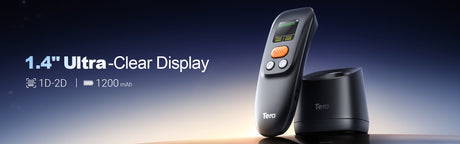
ealthcare mobile computers are quietly reshaping hospital routines. Yet for many clinicians, switching between tablets, scanners, and paper charts still feels slow and disconnected. Every second spent chasing data is a second taken from patient care.
This article explores how purpose-built Android devices—like the Tera P172—help hospitals work faster, safer, and smarter. You’ll discover how they reduce medication errors, connect securely with EHR systems, and what’s next as AI, 5G, and modern design bring healthcare mobility to a new level.

What Is a Healthcare Mobile Computer and How Is It Different From a Regular Phone or Tablet?
A healthcare mobile computer is a purpose-built device for healthcare, designed to help doctors and nurses scan patient barcodes, check records, and send updates right at the bedside. It’s made to run all day while keeping sensitive patient data secure.
Unlike regular phones or tablets, healthcare mobile computers are disinfectant-ready. Their smooth, sealed cases withstand frequent cleaning with hospital-grade wipes without damage. They also include built-in barcode scanners, hot-swappable batteries, and secure Android Enterprise systems that make device management simple for IT teams.
A regular phone might look similar but isn’t made for medical use. It can fail after repeated cleaning and lacks the safety controls and management tools hospitals require. If you’ve seen a nurse scan a wristband or medicine vial, that’s likely a healthcare mobile computer doing its job—quietly, safely, and all day long.
Are Laptops Considered Mobile Computers?
Yes, laptops are technically mobile computers, but they’re not medical-grade. While portable, they lack the protective coating, scanning tools, and disinfection durability needed in hospitals. A laptop may assist with admin tasks, but a healthcare mobile computer is built to work safely beside the patient’s bed.
They may look simple, but their real power lies in how they transform daily hospital work—saving time, reducing errors, and keeping care moving smoothly. So why do hospitals need healthcare mobile computers so much? Let’s take a closer look.

Why and How Hospitals Use Healthcare Mobile Computers
Hospitals rely on healthcare mobile computers to help staff work faster, reduce errors, and keep patients safe. By combining data, scanning, and communication in one secure device, these tools turn complex hospital routines into smooth, connected workflows that improve every step of patient care.
Reducing Errors and Keeping Patients Safe
Medication mistakes or ID mix-ups can harm patients. With a mobile computer, nurses scan both the patient’s wristband and the drug label, and the system verifies them instantly. This quick check removes guesswork and prevents human error before treatment begins.
Speeding Up Documentation
Paper notes slow everything down. Using a healthcare mobile computer, nurses can record vitals, photos, or lab results right at the bedside. Data flows directly into the EHR—no extra typing later—saving hours each week and keeping records accurate and consistent.
Enhancing Communication Across Teams
Doctors, nurses, and lab staff often work in different areas. Mobile computers let them send secure messages, voice calls, and alerts instantly, so information reaches the right person at the right time.
Empowering Real-Time Bedside Care
At the bedside, mobile computers handle every essential task—from patient ID checks and medication scans to photo capture, consent signatures, and alarm responses. A device like the Tera P172 lets staff scan a wristband, confirm treatment, or update a record in seconds, without leaving the room.
Each verified scan, chart update, and message builds a safer workflow. Clinicians spend less time chasing data and more time with patients. When everyone uses the same connected tool, care becomes faster, clearer, and more reliable—transforming hospital work into a real-time, patient-centered process.
Beyond daily bedside tasks, these mobile computers also guard one of the most critical parts of hospital work—medication and specimen safety.

How Do Mobile Computers Improve Medication Safety and Specimen Tracking?
Healthcare mobile computers make medication use and specimen handling safer by turning every step into a verified digital process. Each scan connects the right patient, medication, and record in real time—reducing errors and keeping data consistent across the hospital system.
Every patient wears a wristband with a barcode. A nurse scans it using a mobile computer such as the Tera P172, which instantly brings up the correct chart and confirms identity before any drug or sample is touched. Next, the barcode on the medication, IV bag, or test tube is scanned and matched to the patient record. If the two codes don’t align, the screen flashes an immediate warning to stop the process before administration.
When the codes match, the system automatically verifies the dosage, schedule, and expiration date, ensuring the right drug reaches the right patient at the right time. After administration or collection, the device updates the EHR automatically—creating a “closed-loop” record that links the patient, caregiver, and medication event without gaps for error.
The same closed-loop logic applies to specimen tracking. Each blood or tissue sample receives its own barcode; staff scan it when collecting, transporting, or analyzing. Every movement is logged, so if a sample is delayed or misplaced, the system shows exactly where it went and who handled it.
Together, these connected scans form a complete safety chain—linking people, items, and data to make medication and specimen management more accurate, traceable, and secure.
But how do they make sure the right drug or sample reaches the right patient every time?
To make this kind of safe, closed-loop care work smoothly, the device itself must run on a secure, flexible system. That’s why most hospitals choose Android-based healthcare mobile computers.
How Do Android Healthcare Mobile Computers Compare to iOS and Windows Devices?
The following comparison shows how Android, iOS, and Windows healthcare devices differ in features, security, and hospital use.
|
Feature |
Android |
iOS |
Windows |
|
Device Type |
Multi-brand handhelds with built-in scanners, long battery life, and disinfectant-ready cases |
iPads or iPhones with external scanners |
Cart-based PCs and tablets for admin work |
|
Integration & Management |
Open ecosystem; full MDM control for updates, security, and custom hospital apps |
Closed system with limited hardware and app integration |
Local management; moderate flexibility for legacy systems |
|
Hardware Variety |
Wide vendor options; rugged, hot-swap, and healthcare-grade models |
Single manufacturer; limited device range |
Broad PC options but less mobile |
|
Security |
Enterprise-grade protection via SafeUEM/FOTA and role-based access |
Managed via Apple Business Manager with restricted enterprise control |
Basic local security tools |
|
Best Use Case |
Bedside care, medication scanning, specimen tracking |
Chart review, telehealth, light documentation |
Nursing stations, administrative workflows |
Now that we understand how different systems work, the next step is choosing a device that fits your hospital’s needs. So what should you look for when picking the right healthcare mobile computer?
How Can I Choose the Right Healthcare Mobile Computer?
Choosing the right healthcare mobile computer starts with knowing what truly matters in daily hospital work. The goal is to find a device that keeps data secure, runs all day, and works smoothly in any care environment.
Look for an antimicrobial casing—medical-grade materials stop bacterial growth and withstand frequent cleaning with alcohol wipes.
Check the scan engine. A built-in 1D/2D barcode scanner reads wristbands, medication labels, and specimens quickly, even when codes are curved or worn.
Battery life is critical. Devices like the Tera P172 use hot-swap batteries, so nurses can replace power packs in seconds without shutting down.
Network speed matters. Support for Wi-Fi 6/6E or 5G keeps patient data flowing between wards with no delay.
Touchscreen sensitivity should allow operation with gloves or damp hands; healthcare doesn’t stop for a cleanroom change.
Cameras help document wounds or equipment placement directly in the electronic record.
Finally, MDM support (Mobile Device Management) lets IT teams update, locate, or lock units remotely, keeping every device compliant and secure.
The best device balances hygiene, performance, and manageability. Once these basics are clear, the next step is choosing the right barcode scanner engine to match your workflow.
How Do I Pick the Best Barcode Scanner Engine?
Start with your workflow distance and environment. If nurses scan wristbands up close, choose a short-range engine; for pharmacy shelves or lab racks, a mid-range scanner works better.
Depth of field defines how far and wide a code can be read—important for quick motion or odd angles.
Lighting conditions also matter; bright wards or reflective packaging need sensors that adjust automatically.
Finally, look for engines that read low-contrast or damaged barcodes, since hospital labels often fade with cleaning.
How Leading Brands Differ in Healthcare Mobile Computers
Leading brands build reliable Android healthcare mobile computers, but each serves hospitals in different ways. The main differences come from how they balance management, durability, and adaptability to clinical workflows.
Enterprise and Industrial Focus
Global players such as Zebra and Honeywell design devices for large-scale hospital networks. They emphasize centralized management systems, long lifecycle support, and strong integration with enterprise IT environments—ideal for organizations that value system-wide uniformity and extended service contracts.
Healthcare-Centered Flexibility
Manufacturers like Tera take a more workflow-driven approach, focusing on healthcare practicality and frontline usability. Devices such as the Tera P172 and P166GC combine disinfectant-ready casings, long battery life, and high-performance Zebra scan engines, giving hospitals a balance of reliability and ease of customization without enterprise-level complexity.
Choosing What Fits Your Workflow
There’s no one-size-fits-all solution. Hospitals should base decisions on workflow volume, durability needs, and support models rather than brand recognition alone.
For everyday clinical use, look for medical-grade casings, sealed ports, and removable batteries—features that keep devices safe through frequent cleaning and long shifts while maintaining compliance and uptime.
After choosing the right device, hospitals must ensure it connects securely with existing systems.

How Healthcare Mobile Computers Connect Securely to EHR Systems and Stay HIPAA-Compliant
Healthcare mobile computers connect directly to hospital EHR and EMR systems through secure networks and healthcare-standard data formats. The goal is to let caregivers access and update patient information instantly—without risking data loss or privacy breaches.
Secure Connection and Authentication
Each device connects through the hospital’s encrypted Wi-Fi or VPN and uses single sign-on (SSO) so staff can log in with the same credentials used across hospital systems. Once verified, the mobile computer exchanges data with the EHR via HL7 or FHIR APIs, ensuring real-time synchronization between bedside actions and central databases.
Data Protection and Access Control
Hospitals manage user access through role-based permissions, limiting each person to only the information they need. Sensitive actions like medication orders or chart edits require re-authentication.
All patient data—both stored and transmitted—is encrypted with AES for local files and TLS for wireless communication, keeping information unreadable even if intercepted.
Device Management and Compliance
Through Mobile Device Management (MDM) tools, IT teams can update, track, or remotely lock and wipe any device that’s lost or stolen. Audit logs record every access or change, allowing compliance teams to trace actions and verify adherence during HIPAA audits.
Before deployment, hospitals test each new device or update in a sandbox environment to confirm stability and integration with the EHR. Controlled rollout procedures prevent service disruption during clinical hours.
In short, healthcare mobile computers maintain secure, real-time links with EHR systems while meeting HIPAA requirements for privacy, encryption, and data control—keeping patient information protected from login to logout.

How Do Wi-Fi 6/6E and 5G Power Healthcare Mobile Computers in Hospitals?
Wi-Fi 6/6E — Powering Indoor Networks
Hospitals run hundreds of connected devices in tight spaces. Wi-Fi 6 provides low-latency, stable coverage for dense areas, while 6E adds extra spectrum to reduce interference and network congestion.
5G — Extending Care Beyond Hospital Walls
5G offers wide-area coverage and ultra-low latency for ambulances, remote teams, and temporary clinics. It enables secure, real-time data sharing and video links beyond the hospital’s Wi-Fi range.
Seamless Connectivity
Devices supporting both Wi-Fi 6/6E and 5G switch automatically for the strongest signal, ensuring smooth communication and consistent performance wherever care happens.

How Long Do Healthcare Mobile Computers Last and How to Maintain Them?
Healthcare mobile computers usually last three to five years, depending on how often they’re used and how well they’re maintained. Hospitals that clean devices frequently or use them for constant scanning may see wear sooner, but proper care and planning can extend their life well beyond the warranty period.
Common Wear Points
The most common aging signs are battery decline, screen scratches, and scanner alignment issues. Frequent charging and long work shifts reduce battery efficiency over time, while repeated alcohol wiping can wear the screen surface. Temperature swings and daily drops can also affect internal components.
Battery and Parts Management
Many healthcare devices, including those from Tera, support hot-swap or removable batteries to keep them running through long shifts. Modular parts make it easier to replace worn components without retiring the whole unit. Keeping spare batteries, screen protectors, and protective cases helps control maintenance costs and minimize downtime.
Care and Maintenance Practices
Routine software updates, scheduled inspections, and cleaning with approved disinfectants all help preserve device performance. Some hospitals also invest in extended warranty plans that include quick repair and replacement services, ensuring continuity of care.
In short, when hospitals combine good handling habits with modular hardware and support programs, healthcare mobile computers can stay reliable and cost-effective for years.

What to Prepare Before Buying or Deploying Healthcare Mobile Computers
A smooth rollout starts long before devices reach the ward. Hospitals that plan ahead avoid downtime, network issues, and staff confusion. Use this simple checklist to prepare your team and systems.
- Run a Network Survey – Check Wi-Fi 6 coverage, roaming strength, and signal quality in all patient areas. Reliable connections prevent data loss during charting or scanning.
- Coordinate with the EHR Team – Confirm that your EHR or EMR system supports the new devices. Test API or FHIR connections to ensure seamless record updates.
- Set an App Whitelist – Approve only essential clinical and communication apps. Limiting installs keeps devices secure and performance stable.
- Define Cleaning Rules – Standardize disinfectant types, frequency, and procedures to protect both staff and device hardware.
- Start with a Pilot Ward – Deploy a small batch of devices first. Gather feedback from nurses and IT before scaling across departments.
- Create a Training Plan – Offer short, hands-on sessions so staff can scan, sync, and clean devices confidently.
- Establish KPIs – Track scan accuracy, downtime, and response times to measure improvement and justify expansion.
In short, hospitals that prepare network, software, and staff workflows before rollout see faster adoption and fewer interruptions—turning healthcare mobile computers into reliable tools from day one.

What’s the 30–60–90 Day Rollout Roadmap for Hospitals?
A clear rollout plan helps hospitals deploy healthcare mobile computers smoothly and avoid disruption. Following a 30–60–90 day roadmap ensures steady progress from pilot testing to full adoption.
30 Days — Pilot and Validation
Start small with a single ward or department. Validate Wi-Fi stability, EHR connectivity, and barcode scanning accuracy. Collect feedback from nurses and IT teams on usability and cleaning routines. Adjust device settings and workflows before scaling.
60 Days — Staff Training and Expansion
Once the pilot runs well, train additional departments and expand device numbers. Standardize login rules, app lists, and cleaning procedures so every team uses the same setup. IT staff can monitor early KPIs—such as scan accuracy and downtime—to identify issues quickly.
90 Days — Hospital-Wide Adoption and Optimization
Deploy the remaining units across all wards. Review performance data, refresh training, and fine-tune configurations to fit real clinical needs. Introduce dashboards or reports to track daily usage and maintenance requests.
In short, hospitals that move in phases—pilot, train, and optimize—see smoother adoption, stronger staff confidence, and faster return on investment from their healthcare mobile computers. Once devices are fully adopted, measuring impact is the next step.
What KPIs Best Measure Healthcare Mobile Computer Performance?
The impact of healthcare mobile computers becomes clear when hospitals track measurable results. These devices affect safety, speed, and efficiency, and success can be defined through simple, data-driven KPIs.
- Medication-Error Rate ↓ — Fewer barcode or documentation errors mean safer care and higher compliance.
- Nurse Walking Distance ↓ — Shorter routes between stations and patients show better workflow and device placement.
- Response Time ↓ — Faster alerts and task completions indicate stronger connectivity and teamwork.
- Bedside Charting ↑ — More charting done at the bedside signals successful adoption and staff confidence.
- Scan Success Rate ↑ — High barcode-read accuracy confirms good device maintenance and staff training.
- Device Uptime ↑ — Minimal downtime shows effective IT management and strong battery performance.
- Failure Rate ↓ — Fewer hardware or software faults reduce total cost of ownership and disruption.
In short, hospitals can measure success not just by device counts but by how clearly these KPIs improve patient safety, staff productivity, and data accuracy—proof that healthcare mobile computers deliver real operational value.

Future Trends: How AI and Wearables Are Shaping Healthcare Mobile Computers
Healthcare mobile computers are evolving from simple barcode tools to intelligent companions. The next generation combines voice, sensors, and AI to make hospital workflows faster, safer, and more connected.
Hands-Free and Voice Workflows: New wearable scanners and voice badges let clinicians document care or verify medication without touching a screen—reducing contamination risks and improving efficiency.
AI-Assisted Charting and Smart Alerts: AI now supports real-time charting, suggests next actions, and flags potential errors. When paired with barcode data, it helps confirm dosage accuracy and prevent missed steps.
Location and Asset Tracking: Built-in BLE and RFID functions track staff, patients, and medical equipment in real time. Hospitals gain visibility into workflow bottlenecks and asset usage.
In short, AI and wearable technology are transforming healthcare mobile computers into smart, proactive systems that anticipate needs and simplify care—allowing clinicians to focus more on patients.
The Future of Connected Care: Smarter, Safer, and Built for Real Workflows
Healthcare mobile computers have become the backbone of modern hospitals—bridging people, data, and care into one real-time network. From bedside scanning to AI-assisted charting, they’ve transformed how clinicians work, making every patient interaction faster, safer, and more accurate.
As hospitals move toward smarter, more connected care, reliability and adaptability matter more than ever. That’s why Tera designs healthcare mobile computers—like the P172 and P166GC—to combine enterprise-grade scanning, all-day power, and medical-grade durability in one device. Built on Android and ready for EHR integration, Tera devices help hospitals modernize safely while keeping workflows simple and efficient.
In the next wave of digital healthcare, success won’t just mean having data—it’ll mean having the right device at the point of care. And that’s where purpose-built solutions like Tera’s make all the difference.